How to Use Binance Cryptocurrency Exchange: A Beginner's Step-by-Step Guide

Binance is currently the world's largest cryptocurrency exchange by trading volume, offering a wide array of digital assets for trading, staking, and investment. For beginners, navigating the platform can seem complex, but understanding the core operations is straightforward once broken down into key steps. This guide covers the essential operations: account setup, funding, spot trading, and security basics.
1. Account Registration and Verification
To start, visit the official Binance website or download the mobile app. Click "Register" and enter your email address or phone number, then create a strong password. Binance will send a verification code to confirm your contact method. After account creation, the platform requires identity verification (KYC) for most features. This involves uploading a government-issued ID (passport or driver's license) and completing a facial recognition scan. Without this verification, your withdrawal limit will be severely restricted, and some trading pairs may be unavailable.
2. Depositing Funds
Once your account is verified, you can deposit funds. Binance offers two primary methods: fiat currency deposit and cryptocurrency deposit. For fiat, select "Buy Crypto" and choose from options like bank transfer, credit/debit card, or third-party payment processors. You can purchase major coins like Bitcoin (BTC) or Ethereum (ETH) directly. Alternatively, if you already own crypto, navigate to "Wallet" and then "Deposit." Select the specific coin (e.g., USDT), copy the deposit address, and send funds from your external wallet. Always double-check the network type (e.g., ERC-20 for Ethereum-based tokens) to avoid losing funds.
3. Spot Trading Basics
Spot trading is the most common operation on Binance. Go to "Markets" and search for a trading pair like BTC/USDT. You will see three main sections: the order book (displaying buy and sell orders), the price chart (usually using candlestick patterns), and the trading panel. For beginners, the "Limit Order" is safest. Set your desired price (e.g., buy BTC at $30,000 when the market price is $30,500). The order will only execute when the market reaches your price. Alternatively, a "Market Order" buys instantly at the current best price, but you may pay slightly more due to slippage. Click "Buy" or "Sell" to confirm the transaction.
4. Using the Binance App Features
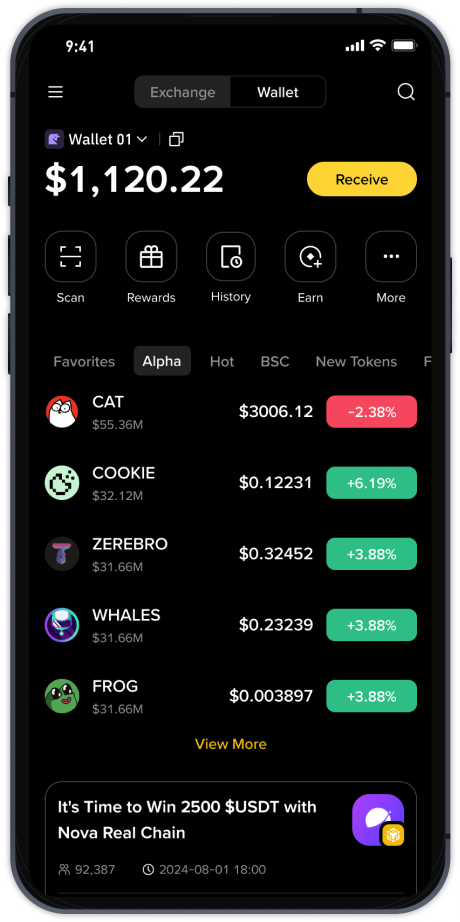
The mobile app offers convenience for on-the-go trading. After logging in, the "Trade" button at the bottom opens the advanced trading interface. You can toggle between "Simple" (designed for beginners) and "Advanced" (for experienced traders). The app also includes the "Earn" section, where you can stake coins for interest, participate in liquidity farming, or use flexible savings to earn passive income on idle assets. To withdraw funds, go to "Wallet" and "Withdraw," enter the amount and the recipient's wallet address, then complete two-factor authentication (2FA).
5. Essential Security Measures
Security is critical when operating any cryptocurrency exchange. Enable both SMS authentication and Google Authenticator 2FA immediately after registration. Binance also offers a "White List" feature for withdrawal addresses, meaning only pre-approved addresses can receive funds. Avoid clicking on links in unsolicited emails claiming to be from Binance; always access the platform via the official website or app. Finally, use the "Device Management" setting to review and remove any unauthorized logins.
Conclusion
Operating Binance involves a logical progression: register, verify, deposit, trade, and secure. While the platform offers hundreds of trading pairs and sophisticated tools (like futures and margin trading), beginners should focus on spot trading and basic earning functions first. Always start with a small amount to test your understanding. By mastering these core operations, you can safely and effectively use Binance as your gateway into the world of digital assets. Remember that cryptocurrency markets are volatile, and conducting your own research (DYOR) is essential before making any investment decisions.